

What to Expect From a Residential Landscaping Project in Memphis
For many homeowners, residential landscaping starts as a curb appeal project. Then it quickly becomes something bigger.
Maybe the front beds look dated. Maybe the backyard is hard to use. Maybe water collects near the house after a heavy rain, or the lawn never seems to fill in the way it should. In many Memphis-area neighborhoods, landscaping is not just about appearance. It is about creating an outdoor space that looks polished, works with the property, and holds up over time.
If you are planning a residential landscaping project in Memphis, Germantown, or Collierville, it helps to know what is typically included, what should be prioritized first, and how to avoid common mistakes.
Why homeowners invest in residential landscaping
A well-designed landscape does several jobs at once.
It improves the way your home looks from the street. It makes outdoor spaces more comfortable and functional. It can reduce maintenance headaches. It can also solve practical issues like patchy turf, poor drainage, weak bed definition, and underused backyard space.
For higher-end homes especially, landscaping often needs to do more than “look nice.” It should feel intentional. The layout should fit the architecture of the home. The materials should feel cohesive. The planting plan should look balanced instead of random. And the finished result should be manageable long after installation day.
That is why many homeowners stop thinking in terms of one-off fixes and start looking at the property as a complete project.
What a full landscaping project can include
Every property is different, but a professional residential landscaping project usually combines design, installation, and long-term function.
Front yard improvements
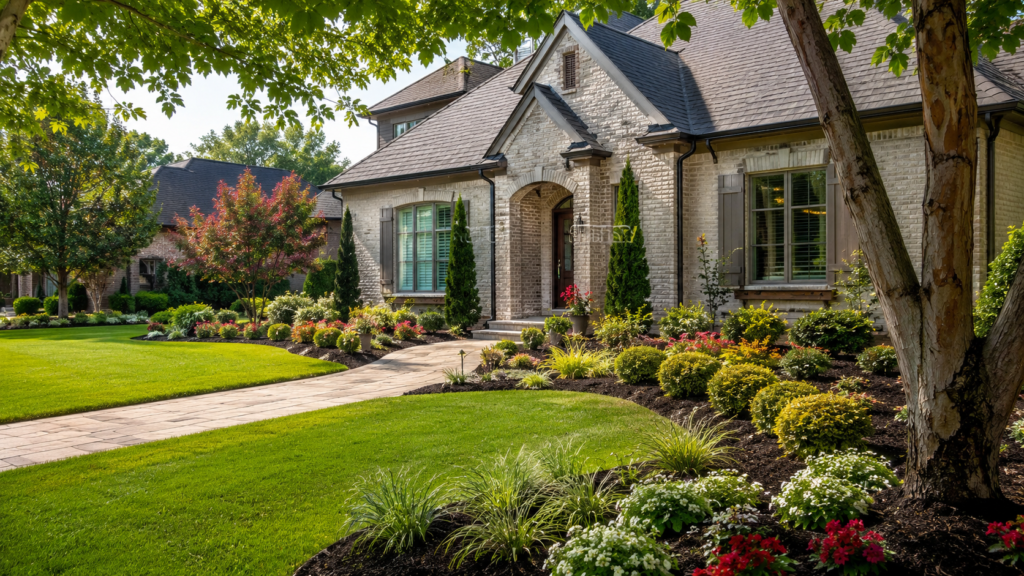
The front yard is usually where landscaping makes its first impression. Common upgrades include:
- reshaped planting beds
- updated shrubs and accent plantings
- fresh mulch
- sod installation in thin or damaged lawn areas
- sharper bed edges
- improved transitions from driveway to entry
- landscape lighting for nighttime curb appeal
A strong front yard plan should complement the home rather than compete with it. Clean lines, layered plantings, and a defined entry experience usually make a bigger impact than overcrowding the space with too many plant varieties.
Backyard upgrades
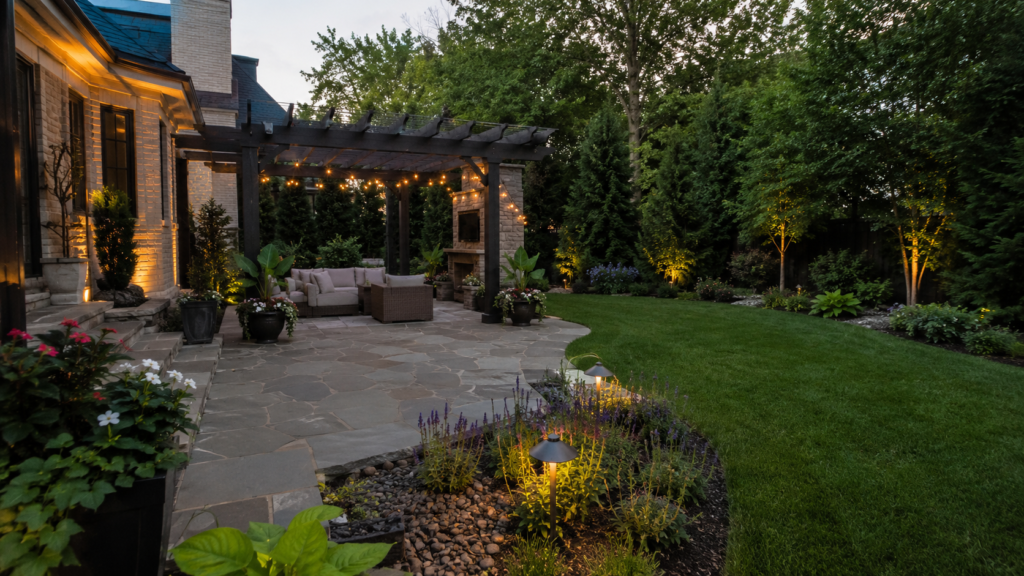
Backyard landscaping tends to be more lifestyle-driven. This is where homeowners often want the property to feel more usable, private, and complete.
A backyard project may include:
- privacy plantings
- sod or lawn renovation
- expanded planting areas
- patio installation
- pergolas or arbors
- low-voltage lighting
- irrigation improvements
- gathering spaces around an outdoor kitchen or seating area
In Memphis, backyard landscaping often works best when it balances beauty with durability. Outdoor spaces need to hold up through heat, rainfall swings, and active family use.
Functional additions that improve usability
Some of the most important parts of a landscaping project are the ones homeowners do not always think about first.
These include:
- grading adjustments
- drainage corrections
- irrigation updates
- replacing failing turf
- reducing high-maintenance areas
- improving traffic flow through the yard
These improvements may not be as visually exciting as a new patio or fresh plant palette, but they often make the biggest difference in how the property performs.
What matters most for landscaping in Memphis-area properties
A landscaping plan that looks good on paper still has to work on a real property. In Memphis, Germantown, and Collierville, a few factors usually deserve extra attention.
Drainage and grading
Drainage problems can undermine an otherwise beautiful project.
If water sits too long in lawn areas, planting beds, or near the foundation, the result can be recurring turf issues, erosion, plant stress, and muddy areas that never seem to dry out. Before selecting materials or finalizing plant beds, it is worth evaluating how water moves across the property.
In many cases, homeowners are better served by addressing grading and runoff early instead of installing new landscaping on top of an unresolved issue.
Plant selection and sun exposure
One of the most common landscaping mistakes is choosing plants based only on looks.
A better approach is to match the planting plan to the property’s conditions. Some areas get intense afternoon sun. Others stay shaded most of the day. Foundation beds, side yards, and backyard borders can each have different moisture and light conditions.
That is why a successful residential landscape should be designed around the site itself, not around a generic plant list.
Turf quality and installation
A lawn can make or break the overall appearance of the property.
If the turf is thin, uneven, or full of bare patches, even a nicely designed landscape can still feel unfinished. For many homes, sod installation is the fastest way to create a cleaner, more established look. It is especially useful after drainage work, bed reshaping, or major renovations that disturb existing grass.
The key is making sure the lawn is installed on a properly prepared surface and supported with the right watering plan afterward.
Irrigation planning
A new landscape needs a practical plan for watering.
That does not always mean every property needs a complete overhaul, but irrigation should be part of the conversation early. Plantings, sod, and seasonal color all perform better when coverage is consistent and efficient. Irrigation planning is also important for protecting the investment after installation.
When homeowners skip this step, the project can look strong at first and then struggle once weather patterns shift or watering becomes inconsistent.
Lighting and outdoor living features
Landscape lighting and outdoor living elements often move a project from “improved” to “finished.”
Lighting can highlight entry walks, planting beds, architectural features, and backyard entertaining areas. Patios, pergolas, and similar hardscape features can turn underused yard space into something the homeowner actually enjoys using.
These additions are often best when they are integrated into the full landscape plan rather than treated as separate afterthoughts.
How to prioritize your project budget
Not every landscaping project has to happen all at once.
If you are planning improvements in phases, start with the items that affect the rest of the property most:
1. Fix the underlying issues first
Address drainage, grading, failing turf, or irrigation concerns before adding finishing touches.
2. Improve the most visible areas
For many homes, the front yard and entry sequence create the biggest immediate impact.
3. Focus on permanent structure next
Patios, bed layout, edging, lighting, and foundational planting zones usually come before smaller decorative upgrades.
4. Finish with enhancements
Seasonal color, accessories, and lower-priority add-ons can come after the main framework is in place.
This approach usually leads to a better long-term result than spreading the budget thin across too many disconnected upgrades.
Signs it’s time to renovate your existing landscape
Some properties do not need a full redesign. Others clearly need more than routine maintenance.
Here are a few signs it may be time for a real landscaping upgrade:
- the lawn stays thin or uneven year after year
- beds look overgrown or outdated
- plantings block windows, walks, or sightlines
- the yard has drainage issues after rain
- the property lacks usable backyard space
- the home looks more updated than the landscape around it
- lighting, patio space, or irrigation never made it into the original plan
In established Memphis neighborhoods, this situation is common. The house may have been updated, but the outdoor space still reflects an older layout or piecemeal additions over time.
Choosing the right landscaping company
Residential landscaping is not just about installing plants. It is about making coordinated decisions that improve how the entire property looks and functions.
When comparing contractors, homeowners should look for a company that can think beyond individual tasks and help prioritize the project as a whole. That includes:
- understanding layout and flow
- recommending practical improvements, not just cosmetic ones
- planning around drainage and site conditions
- coordinating turf, planting, irrigation, lighting, and hardscape elements
- building a landscape that fits the home and the neighborhood
For homeowners in Memphis, Germantown, and Collierville, a local company should also understand how regional conditions affect plant performance, lawn establishment, drainage, and long-term maintenance needs.
FAQ
How much does residential landscaping cost in Memphis?
The cost depends on the size of the property, the scope of work, and what is included. A simple bed refresh is very different from a full landscape renovation with sod, irrigation, lighting, and hardscape features. The best way to get an accurate number is to start with a site visit and a clear project scope.
What is included in residential landscaping?
Residential landscaping can include planting beds, shrubs, sod installation, mulch, irrigation improvements, landscape lighting, patios, pergolas, arbors, and other outdoor living upgrades. Some projects also involve drainage correction and grading adjustments.
Should I landscape the front yard or backyard first?
That depends on your goals. If curb appeal is the priority, start with the front yard. If the backyard is difficult to use or part of a bigger outdoor living plan, it may make sense to begin there. In many cases, homeowners phase the work over time.
Is sod better than reseeding for my yard?
For many residential projects, sod creates a faster and more uniform result. It is often a good option when the yard has been disturbed during construction or renovation, or when homeowners want the property to look finished sooner.
Can landscaping help with drainage issues?
Yes, but only when drainage is addressed directly. New plants and mulch alone will not solve standing water or runoff problems. A proper plan should account for grading, drainage flow, and how landscape features interact with the site.
Conclusion
A successful residential landscaping project should do more than improve appearances.
It should make the property more usable, more polished, and easier to enjoy day to day. For homeowners in Memphis, Germantown, and Collierville, that usually means taking a full-property view instead of treating the yard as a series of unrelated fixes.
When the design, turf, planting, irrigation, lighting, and layout all work together, the result feels complete. And that is what separates a basic yard upgrade from a landscape that genuinely adds value to the home.